

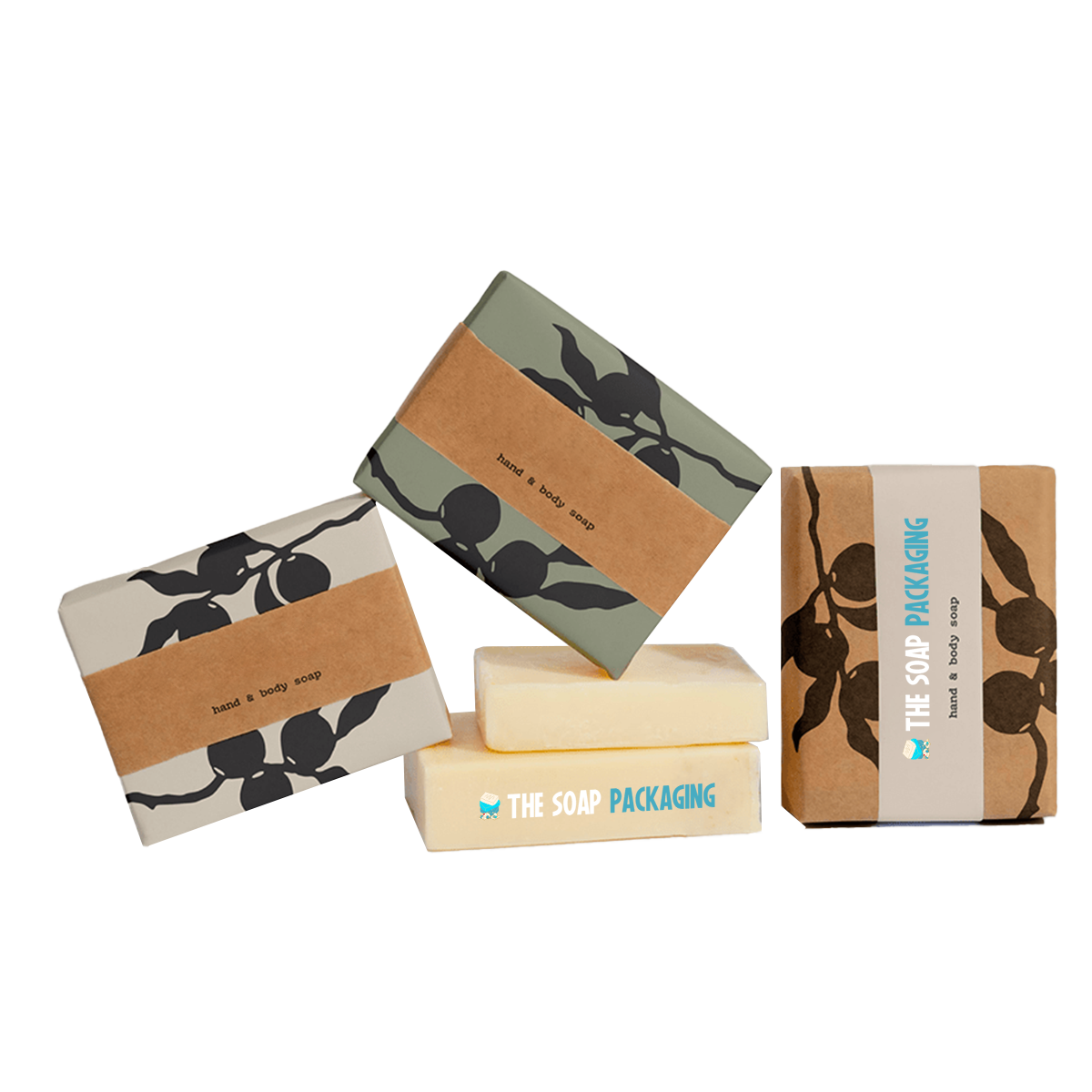
The visual design of luxury soap packaging serves as the primary factor which influences consumer selection of their preferred products.
The soap market underwent substantial changes during the last ten years because people now understand soap serves functions beyond its traditional cleaning purpose. Buyers in today’s market want to experience more than just a bar visit because they look for stories and high-quality products and memorable experiences. Consumer behavior undergoes significant changes because packaging serves as the main factor which influences both purchasing decisions and brand loyalty.
What Is Luxury Soap Packaging
Luxury soap packaging consists of premium wrapping materials and design elements which serve to convey high value and quality. These packages include specialty papers with custom finishes and special structural designs and refined color schemes that make them stand out from standard mass-market products.
The production of luxury soap packaging requires premium materials and creative design elements and precise execution to establish a superior unboxing experience which supports high-end pricing (the added cost ranges from $1.50 to $4.00 per unit).
The Psychology Behind Premium Packaging
First Impressions and Purchase Decisions
Research into consumer behavior shows that people evaluate product quality through packaging designs during their first 7 seconds of viewing. The visual elements of typography and color selection and material texture deliver value propositions to customers before they start reading any text.
Sensory Experience Impact
Luxury packaging generates an entire sensory encounter which engages various human senses.
-
Touch: Textured papers, soft-touch finishes
-
Sight: Metallic accents, sophisticated color schemes
-
The paper produces a pleasant sound when unwrapped.
-
The packaging contains scent windows as an optional feature.
The way products are packaged creates the first impression that customers have about their value.
Research shows that premium packaging leads consumers to believe their products have superior quality since 73% of them make this connection. Brands can increase their product prices by 40-60% when they use this perception method for identical items that come in standard packaging. The packaging functions as proof which demonstrates the worth of the contents.
Materials That Signal Quality
Paper Types and Their Messages
The various paper stocks used in printing materials convey different brand identity messages.
| Material Type | Consumer Perception | Price Range |
|---|---|---|
| Kraft paper | Natural, eco-friendly | Budget to mid-range |
| Cardstock | Professional, reliable | Mid-range |
| Textured paper | Artisanal, handmade | Premium |
| Metallic paper | Modern, luxurious | High-end |
| Handmade paper | Unique, sustainable | Ultra-premium |
Sustainable Materials and Modern Buyers
Modern consumers have started to make environmental sustainability their main concern. The target market of 25-45 year olds shows the most interest in biodegradable wrapping materials and recycled cardboard boxes and plantable seed paper. The materials show that brands work to achieve goals which go beyond financial success.
The selection of materials brands use for product development reveals their brand identity to their target market.
The paper weight determines its monetary value through its physical weight. Standard soap wrappers have paper weights between 60-80 gsm but luxury brands choose paper stocks that range from 120-200 gsm. The instant tactile experience of the soap provides customers with a direct sense of premium quality before they start using it.
Design Elements in Luxury Soap Packaging
Color Schemes That Attract Buyers
The process of buying soap depends heavily on color psychology.
-
Pastels – Suggest gentleness, suitable for sensitive skin
-
Earth tones – Communicate natural ingredients, organic production
-
Black and gold – Signal luxury, exclusivity
-
White and silver – Convey purity, cleanliness
-
Jewel tones – Indicate rich ingredients, indulgence
Typography and Brand Voice
Your brand identity becomes visible to customers through the choices you make regarding font selection. Serif fonts express traditional heritage through their design yet sans-serif fonts embody modern design principles. Hand-lettered typography results from a production method which combines traditional craftsmanship techniques with personalized attention during all manufacturing steps.
Minimalism Versus Detailed Designs
The luxury market shows two separate market directions in its present-day trends. Some brands achieve success through their use of basic designs which include plenty of white space and straightforward logos. The designs contain detailed drawings and intricate designs. Both approaches work when executed consistently and aligned with brand story.
Structural Design and Box Configurations
Common Luxury Package Types
High-end soap brands use various organizational approaches to manage their business operations.
-
Sleeve boxes with inner trays
-
Magnetic closure boxes
-
Windowed kraft boxes
-
Drawer-style packaging
-
Cylindrical tubes for round soaps
A systematic method should be used to design luxury soap packaging for achieving its desired outcome.
The unboxing experience creates emotional connections with customers. The boxes operate smoothly because they reveal products step by step while requiring only light pressure to open thus creating an elite customer experience. The Soap Packaging team understands that product packaging design determines whether customers view items as gifts or regular products which influences their willingness to spend extra money.
Where Structure Adds Value
The packaging system with multiple components establishes a ritualistic experience for customers when they use the product. The process of removing outer sleeves and opening inner boxes and unwrapping tissue paper requires customer time which makes the soap appear more valuable. The dialogue extension creates a setting which combines both a feeling of waiting and contentment.
Brand Storytelling Through Package Design
Visual Narrative Elements
The main function of packaging serves as a communication channel to deliver information.
-
Brand origin stories
-
Ingredient sourcing details
-
Production methods
-
Founder philosophy
-
Usage instructions
Who Responds to Storytelling
The design of packaging which appeals to authentic customers should communicate a narrative to them. The following group consists of:
-
Women aged 28-55
-
Gift buyers seeking thoughtful presents
-
Environmentally conscious shoppers
-
People who wish to maintain their health and wellness
When Storytelling Justifies Higher Prices
A brand narrative achieves its best results through authentic storytelling. Customers have the ability to identify when a company creates fake content. The emotional value of soap bars made from authentic family recipes and regional ingredients and traditional preparation methods supports their price range between $12 and $25.
Competitive Advantage Through Packaging
Standing Out in Retail Environments
Physical stores display hundreds of soap options. Luxury packaging stands out from other products through its visual appeal which makes customers notice it among numerous other options on store shelves. The combination of distinctive shapes and unusual color pairings with metallic accents disrupts visual patterns to draw viewers in.
Online Shopping Considerations
Digital shoppers must purchase items without having the opportunity to physically examine them beforehand. High-quality package photography becomes critical. Luxury packaging photographs better because it reveals specific details which help online browsers trust the quality of the product. Multiple angles of beautiful packaging reduce purchase hesitation.
Social Media and Shareability
Instagram and Pinterest generate substantial revenue from soap product sales. The use of photogenic packaging leads to user-generated content which serves as free marketing material. Products that arrive in attractive packaging receive more social media engagement through sharing and tagging and recommendation activities than unappealing packages do.
Investment Analysis for Soap Makers
Cost Breakdown by Package Type
The process of budget planning requires knowledge about pricing structures.
-
Basic wrapper: $0.15-$0.30 per unit
-
Printed box: $0.40-$0.75 per unit
-
Luxury rigid box: $1.50-$3.00 per unit
-
Custom structural design: $2.50-$5.00 per unit
Minimum Order Quantities
Custom packaging requires businesses to spend money before they can start using it.
-
Standard boxes: 500-1,000 minimum
-
Custom rigid boxes: 1,000-3,000 minimum
-
Unique structural designs: 3,000-5,000 minimum
Calculating Return on Investment
Track these metrics to measure packaging impact:
-
Average order value increase
-
Customer retention rates
-
Gift purchase percentage
-
Social media engagement
-
Customer acquisition cost changes
Most brands achieve their return on investment (ROI) between 6 to 12 months when their packaging meets the expectations of their target audience.
Starting Without Large Budgets
Begin with the core quality components.
-
Upgrade paper quality gradually
-
Use digital printing for smaller runs
-
Add one special finish (foil or emboss)
-
Focus design budget on front panel
-
Order samples before committing
Testing Customer Response
The company needs to launch special edition packaging in the market to gather consumer feedback before making a final decision about full product release. Track sales velocity as well as customer feedback and return rates against the benchmarks established for standard packaging. Data should serve as the basis for decision-making instead of depending on unverified assumptions.
The Right Moment to Invest in Custom Solutions
The following conditions indicate when you should transition to fully custom packaging:
-
The company produces more than 500 units each month
-
Most customers have expressed contentment with the packaging
-
Special presentation methods need to be used for retail partnerships
-
Gift sales represent 30%+ of revenue
Conclusion
The first point of contact between brands and their customers happens through the packaging materials they select. Through its luxury soap market interaction the company sets customer expectations while presenting its values and justifying the premium price point. Quality soap serves as an essential product yet premium packaging transforms basic products into desirable experiences for customers. Brands that create thoughtful packaging designs achieve market dominance through their designs which lead to improved customer perceptions and elevated prices and deepened emotional bonds that result in loyal customer retention.
