

The handmade soap industry continues experiencing growth because consumers increasingly seek natural alternatives to commercial products filled with synthetic ingredients. Your packaging decisions affect how customers perceive product quality before they examine soap formulations or read ingredient lists. The gift market represents a significant revenue opportunity for soap makers because consumers regularly purchase handcrafted soaps for birthdays and weddings and corporate gifts and holiday celebrations.
Soap businesses that understand gift packaging dynamics can expand their market reach beyond regular customers into occasional gift buyers who shop during specific seasons and events. Your packaging selection influences whether customers view your soaps as personal care items or gift-worthy products commanding premium prices. The proper gift packaging transforms standard soap bars into memorable presents which recipients appreciate and gift givers feel proud to present.
Understanding the Gift Soap Market
The gift soap segment operates under different purchasing patterns than everyday personal use products because buyers evaluate items based on presentation quality rather than formulation details. Your success in gift markets depends on packaging which creates instant visual impact while protecting products during transport and storage. The research data shows that gift packaging can increase perceived product value by 40% to 60% compared to identical soaps in basic wrapping.
Gift Buyer Psychology and Expectations
Consumers purchasing soaps as gifts make split-second decisions based primarily on external appearance because they cannot test fragrances or evaluate soap quality in many retail settings. The packaging serves as the only tangible indicator of product value which buyers assess during purchase decisions. Beautiful presentation signals to gift buyers that products inside meet quality standards worthy of giving to people they care about.
Gift purchasing behavior differs from personal buying patterns:
- Gift buyers spend 30% to 50% more per item than personal use purchases
- Visual presentation influences gift selections more than ingredient lists
- Packaging reusability adds value because recipients keep attractive boxes
- Seasonal designs create urgency driving higher sales during peak periods
- Ready-to-give packaging eliminates additional wrapping requirements
Soap gift boxes address these buyer preferences by combining protective functionality with presentation aesthetics which make products suitable for immediate gifting. The investment in quality gift packaging returns profits through higher selling prices and increased sales volumes during gift-giving seasons. “The right packaging transforms a simple soap bar into a thoughtful gift which reflects well on both the giver and your brand.”
Seasonal Sales Patterns
Soap gift sales follow predictable annual cycles with dramatic increases during November and December holiday periods followed by secondary peaks around Mother’s Day and Valentine’s Day. Your packaging planning should account for these seasonal fluctuations because inventory purchased for holiday sales may sit unused for months if not timed properly. The businesses which plan seasonal packaging procurement carefully maximize profits while minimizing obsolete inventory risks.
Annual gift soap sales typically distribute as follows:
| Season | Sales Percentage | Key Events | Packaging Focus |
|---|---|---|---|
| Q1 (Jan-Mar) | 15% | Valentine’s Day, Mother’s Day prep | Romantic and feminine designs |
| Q2 (Apr-Jun) | 20% | Mother’s Day, graduations, weddings | Floral and celebration themes |
| Q3 (Jul-Sep) | 18% | Back-to-school, early holiday | Transitional and preview designs |
| Q4 (Oct-Dec) | 47% | Thanksgiving, Christmas, Hanukkah | Holiday and winter themes |
The concentration of nearly half annual gift sales into fourth quarter demands advance planning because packaging suppliers experience capacity constraints during peak ordering periods. Your early procurement of seasonal packaging secures production slots while avoiding rush charges which erode profit margins.
Standard Packaging for Year-Round Gifting
Year-round gift opportunities require packaging solutions which work across multiple occasions without appearing too specialized for specific events. Your standard gift packaging should appeal to diverse buyer preferences while maintaining cost efficiency through consistent ordering patterns and inventory management.
Universal Size Selections
The soap industry has standardized around common bar sizes which enable packaging manufacturers to offer ready-made solutions fitting most handmade soap dimensions. 3x3x1 soap boxes accommodate standard soap bars weighing between 3 to 5 ounces which represent the most popular size for gift purchases. The dimensional consistency allows businesses to maintain single packaging inventory serving multiple soap varieties.
Standard sizing provides several operational advantages:
- Reduced inventory complexity through universal fit across product lines
- Lower per-unit costs because manufacturers produce common sizes in volume
- Simplified packing procedures when all products use identical boxes
- Consistent shelf presentation creating organized retail displays
- Easy reordering without custom specifications and long lead times
The 3x3x1 dimension fits comfortably in customer hands while providing adequate protection for soap bars during shipping and retail handling. Your adoption of industry-standard sizing enables competitive pricing because you benefit from economies of scale which custom sizes cannot achieve.
Window Box Advantages
Soap boxes with window solve a fundamental gift packaging challenge by allowing customers to view products before purchase while maintaining protective barriers against handling and contamination. The transparent window panel lets buyers assess soap colors and textures and embedded ingredients like flower petals or oatmeal which differentiate handmade products from commercial alternatives.
Window packaging delivers specific benefits:
- Visual confirmation of product quality before purchase commitment
- Fragrance release through small perforations near window areas
- Color coordination allowing customers to select preferred shades
- Ingredient visibility showcasing natural additives and botanicals
- Design appreciation revealing artistic soap swirls and layers
The window cutout positioning affects customer perception because centered windows create balanced compositions while offset windows suggest artisanal authenticity. Your window placement decisions should align with brand positioning because symmetrical designs communicate professionalism while asymmetric placements suggest handcrafted individuality.
Display Strategies for Retail Success
The physical presentation of soap products in retail environments dramatically affects sales performance because attractive displays capture shopper attention in stores filled with competing products. Your display packaging choices determine whether products blend into background clutter or command attention drawing customers closer for examination.
Counter and Shelf Display Solutions
Soap display boxes serve dual purposes by protecting products during shipping while converting into retail displays requiring no additional setup from store personnel. The efficient design reduces labor costs for retail partners while ensuring consistent brand presentation across multiple locations. Display-ready packaging particularly benefits businesses selling through farmers markets and craft fairs and boutique shops where setup time affects profitability.
Effective display packaging characteristics include:
- Pre-scored perforations enabling quick conversion to display configuration
- Angled presentation positioning products for optimal customer viewing
- Sturdy construction supporting product weight without collapsing
- Branded surfaces reinforcing company identity throughout stores
- Modular design allowing stacking for larger inventory displays
The businesses which provide retail-ready display packaging gain placement advantages over competitors requiring retailers to unpack and arrange products manually. Your investment in display solutions demonstrates understanding of retail partner needs which strengthens business relationships and increases reorder frequencies.
Creating Impulse Purchase Opportunities
Impulse purchases represent significant revenue sources for gift soaps because customers browsing stores often buy attractive items without prior planning. Your display packaging should facilitate impulse decisions by communicating value instantly and removing purchase barriers like complicated packaging or unclear pricing. The positioning near checkout counters captures last-minute gift needs from customers remembering forgotten occasions.
Impulse purchase enablers include:
- Clear pricing visible without handling products
- Gift-ready presentation requiring no additional wrapping
- Compact sizing fitting easily into shopping bags and purses
- Price points between $8 to $15 feeling affordable for spontaneous purchases
- Multiple product displays encouraging basket additions
The research shows that well-displayed soap products generate 25% to 35% of sales from impulse purchases rather than planned shopping trips. Your display optimization captures these unplanned sales which competitors using basic packaging miss entirely.
Premium Gift Packaging Strategies
Premium gift packaging justifies higher retail prices while positioning products in luxury market segments where customers prioritize presentation quality over cost considerations. Your investment in sophisticated packaging materials and finishing techniques differentiates products from mass-market alternatives filling drugstore shelves.
Multi-Soap Gift Set Packaging
Gift sets containing multiple soap bars appeal to customers seeking substantial presents suitable for hosts and teachers and business associates. The multi-bar packaging requires larger boxes with interior dividers preventing soaps from contacting each other during shipping and storage. Set packaging allows creative arrangements showcasing complementary fragrances or color progressions which create cohesive gift experiences.
Gift set configuration options include:
| Set Size | Typical Contents | Price Range | Target Occasions |
|---|---|---|---|
| 2-bar | Complementary scents | $15-$25 | Small gifts, party favors |
| 3-bar | Variety sampler | $25-$35 | Hostess gifts, thank you |
| 4-bar | Seasonal collection | $35-$50 | Holiday presents, birthdays |
| 6-bar+ | Luxury assortment | $50-$80 | Corporate gifts, special occasions |
The pricing structure for gift sets should offer modest discounts compared to individual bars because customers perceive value in bundled offerings. Your discount strategy balances volume sales against maintaining individual product value perceptions.
Decorative Elements and Finishing
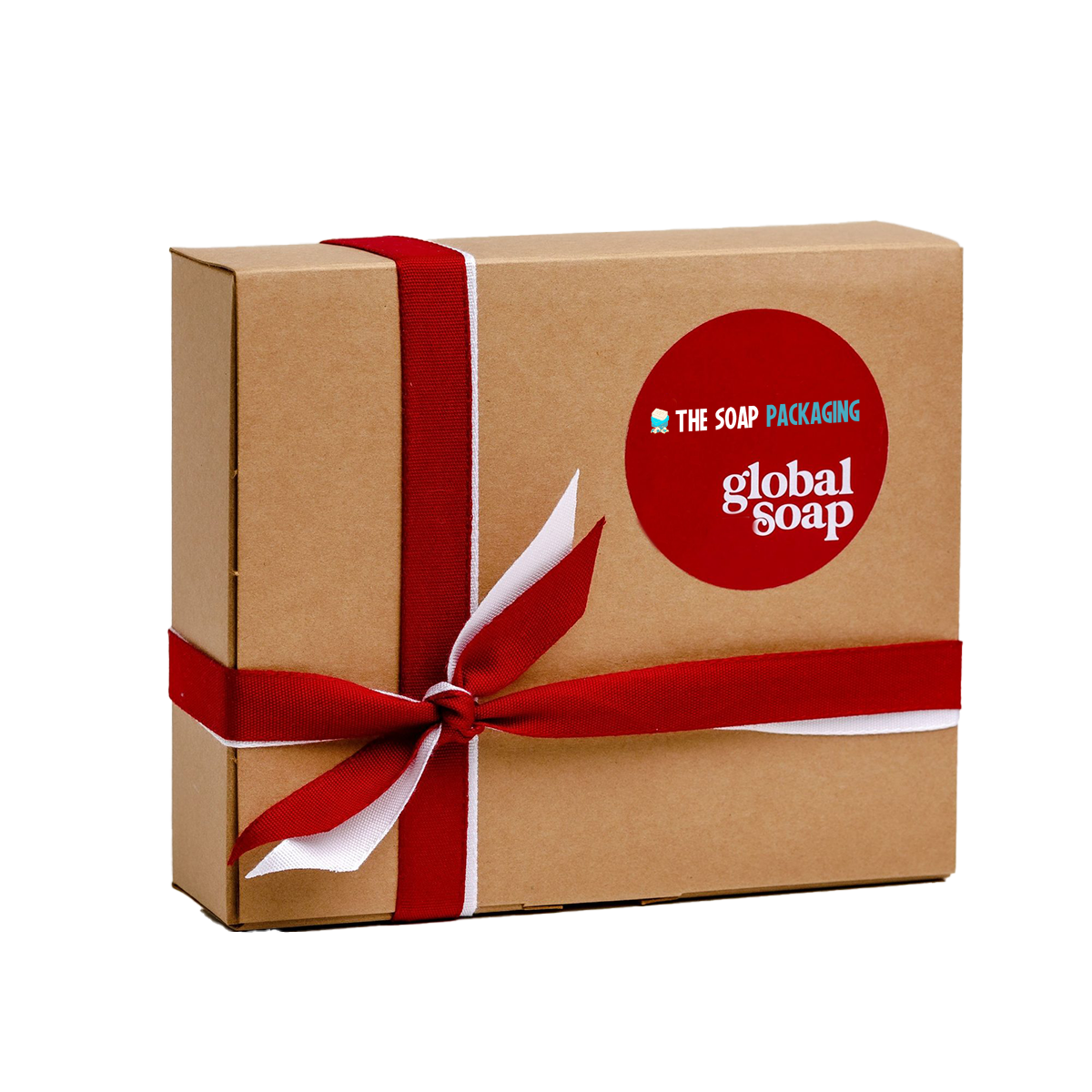
Premium gift packaging incorporates decorative elements which create unboxing experiences memorable enough to share on social media platforms. The additions of ribbons and tissue paper and custom inserts transform simple product containers into presentation pieces which recipients appreciate beyond the soaps themselves. “The unboxing moment creates lasting impressions which influence whether recipients become future customers or remain one-time gift recipients.”
Enhancement options include:
- Satin ribbons in brand colors tied around closed boxes
- Printed tissue paper protecting soaps while adding visual layers
- Custom inserts explaining fragrances and ingredients and usage tips
- Wax seals or stickers securing closures with branded impressions
- Gift tags with space for personal messages from givers
The businesses which invest thoughtfully in decorative elements create shareable moments which generate organic marketing through customer photos and reviews. Your attention to presentation details differentiates products in competitive gift markets where numerous vendors offer similar soap formulations.
Holiday and Seasonal Packaging
Seasonal packaging captures increased consumer spending during major gift-giving periods while creating urgency through limited availability. Your holiday packaging planning should begin months in advance because production lead times and inventory requirements demand early decision making for successful seasonal execution.
Christmas and Winter Holiday Solutions
Christmas soap boxes feature festive designs incorporating traditional holiday colors and imagery and seasonal messaging which signal appropriate gifting for year-end celebrations. The specialized packaging justifies premium pricing because customers willingly pay more for products perfectly matching gift-giving occasions. Holiday packaging also creates collection opportunities where customers purchase multiple seasonal varieties for different recipients.
Christmas packaging design elements include:
- Red and green color schemes evoking traditional holiday aesthetics
- Winter imagery like snowflakes and pine trees and holiday ornaments
- Metallic accents using gold or silver foil creating luxury impressions
- Seasonal fragrances highlighted through descriptive copy and graphics
- Gift tag areas enabling personalization without additional materials
The timing of Christmas packaging introduction affects sales volumes because early availability captures organized shoppers while late launches miss peak purchasing periods. Your retail partners typically begin holiday displays in early November requiring your inventory delivery by mid-October at latest.
Valentine’s Day and Mother’s Day Packaging
Secondary gift-giving holidays generate substantial soap sales among customers seeking personal gifts for romantic partners and maternal figures. The packaging designs for these occasions emphasize romantic and appreciative themes through softer color palettes and floral imagery and sentimental messaging. Valentine’s and Mother’s Day packaging works particularly well for premium soap formulations incorporating luxurious ingredients like shea butter and essential oils.
Romantic holiday considerations include:
- Pink and red color progressions for Valentine’s presentations
- Pastel palettes and floral designs for Mother’s Day gifts
- Heart shapes and rose imagery communicating romantic intentions
- Appreciation messaging expressing gratitude and affection
- Spa-themed designs suggesting pampering and self-care
The businesses which maintain rotating seasonal packaging throughout the year capture consistent gift sales rather than depending entirely on December holiday revenues. Your planning of multiple seasonal releases spreads development costs while keeping products fresh and interesting for repeat customers.
Custom Branding and Personalization
Custom packaging distinguishes your soap products from competitors using generic boxes which fail to communicate unique brand identities. Your branding investments create recognition which helps customers locate your products quickly while building loyalty through consistent visual experiences across all customer touchpoints.
Logo Integration and Brand Consistency
Your company logo deserves prominent placement on all packaging surfaces because it serves as the primary identifier which customers remember after purchases. The logo treatment should remain consistent across different packaging types and seasons to build recognition over time. Inconsistent branding confuses customers and dilutes marketing investments because visual variations prevent pattern recognition which drives brand recall.
Branding best practices include:
- Primary logo placement on box fronts in consistent positions
- Secondary logo appearances on sides and tops and interior surfaces
- Color palette consistency maintaining brand recognition across designs
- Typography standards using identical fonts and text treatments
- Tagline integration reinforcing brand messages and value propositions
The businesses which maintain strict brand guidelines across all packaging create stronger market identities than competitors using varied designs lacking cohesive visual themes. Your discipline in brand consistency compounds over time as customers encounter your products repeatedly across different retail environments.
Story Integration and Values Communication
Modern consumers increasingly prefer brands demonstrating authentic values and transparent business practices beyond simple product sales. Your packaging provides space for communicating brand stories and ingredient sourcing and sustainability commitments which resonate with conscious consumers. The narrative elements transform transactions into relationships by helping customers understand the people and principles behind products.
Storytelling opportunities include:
- Founder narratives explaining business origins and motivations
- Ingredient sourcing details emphasizing quality and ethical practices
- Production methods highlighting handcrafted authenticity
- Environmental commitments demonstrating sustainability priorities
- Community involvement showcasing local connections and support
The integration of storytelling elements should feel natural rather than forced because customers quickly detect inauthentic marketing messages. Your genuine communication of actual business practices builds trust which converts occasional buyers into loyal advocates promoting your brand through word-of-mouth recommendations.
Production Planning and Inventory Management
Successful gift packaging programs require careful coordination between packaging procurement and production schedules and sales forecasts. Your planning processes should balance inventory availability against working capital constraints while accounting for seasonal demand fluctuations affecting both sales volumes and supplier capacity.
Minimum Order Quantities
Packaging manufacturers typically require minimum order quantities which new soap businesses sometimes find challenging to meet. The minimums exist because setup costs for printing and die cutting must distribute across sufficient units to achieve economical production. Your order volumes affect per-unit pricing dramatically with larger quantities delivering substantial cost advantages.
Typical MOQ structures include:
| Order Quantity | Price Per Unit | Setup Allocation | Best For |
|---|---|---|---|
| 100-500 | $0.80-$1.20 | High per-unit | Testing and samples |
| 1,000-2,500 | $0.50-$0.75 | Moderate | Small batch production |
| 5,000-10,000 | $0.30-$0.45 | Lower | Regular production |
| 25,000+ | $0.20-$0.30 | Minimal | High volume operations |
The businesses which forecast demand accurately capture volume discounts without overcommitting to inventory which may become obsolete through design changes or seasonal transitions. Your sales projections should consider historical patterns while accounting for growth trends and planned marketing initiatives affecting future demand.
Seasonal Procurement Timing
Seasonal packaging requires advance ordering because both your business and packaging suppliers need adequate lead times for production and inventory accumulation. The fourth quarter holiday rush creates capacity constraints across entire packaging supply chains making early procurement essential for securing production slots and avoiding premium rush charges.
Procurement timeline recommendations:
- January planning sessions defining upcoming seasonal designs
- February-March sample approvals and final specification confirmation
- April-May production runs for holiday packaging inventory
- June-August storage period with periodic inventory verification
- September-December deployment to production and retail channels
The businesses which maintain disciplined seasonal planning avoid the crisis management which disrupts operations when demand exceeds available packaging inventory. Your advance ordering enables suppliers to schedule your production during normal periods rather than expensive emergency timelines which erode already thin profit margins on seasonal products.
Quality Control and Brand Protection
Packaging quality directly affects customer perceptions about soap quality because attractive boxes with poor construction or printing defects suggest careless manufacturing extending to products inside. Your quality standards should address structural integrity and printing accuracy and material consistency across all received shipments.
Inspection Procedures
Incoming packaging shipments require inspection before acceptance and payment authorization because defects discovered during production cause expensive disruptions. The inspection process should examine representative samples rather than entire shipments but sample sizes must provide statistical confidence about overall batch quality. “One defective box in customer hands damages your reputation more than rejecting entire supplier shipments for quality failures.”
Critical inspection points include:
- Dimensional accuracy verified through caliper measurements
- Printing registration and color matching against approved standards
- Structural integrity tested through assembly and stress applications
- Material consistency examining color and texture and finish quality
- Defect rates counted across random sample selections
Your quality standards should specify acceptable defect rates because zero-defect expectations prove unrealistic for high-volume manufacturing operations. Industry standards typically accept defect rates below 2% for commodity packaging while premium applications require sub-1% defect thresholds.
Supplier Relationship Management
Long-term supplier relationships benefit both parties through improved communication and priority service and preferential pricing unavailable to occasional customers. Your investment in supplier partnerships creates stability reducing risks of supply disruptions which threaten production schedules. The best supplier relationships operate as collaborations where both parties work toward mutual success rather than adversarial negotiations focused solely on price reductions.
Relationship building practices include:
- Regular communication about upcoming needs and potential changes
- Timely payments building financial trust and creditworthiness
- Reasonable lead time provisions avoiding constant rush requests
- Feedback sharing helping suppliers improve quality and service
- Loyalty demonstrated through consistent business despite competitive offers
The packaging suppliers which view your business as valued long-term partners provide better service and pricing than those seeing you as transactional customers easily replaced. Your relationship investments pay dividends through preferential treatment during capacity constraints and willingness to accommodate special requests which strict business relationships would refuse.
