

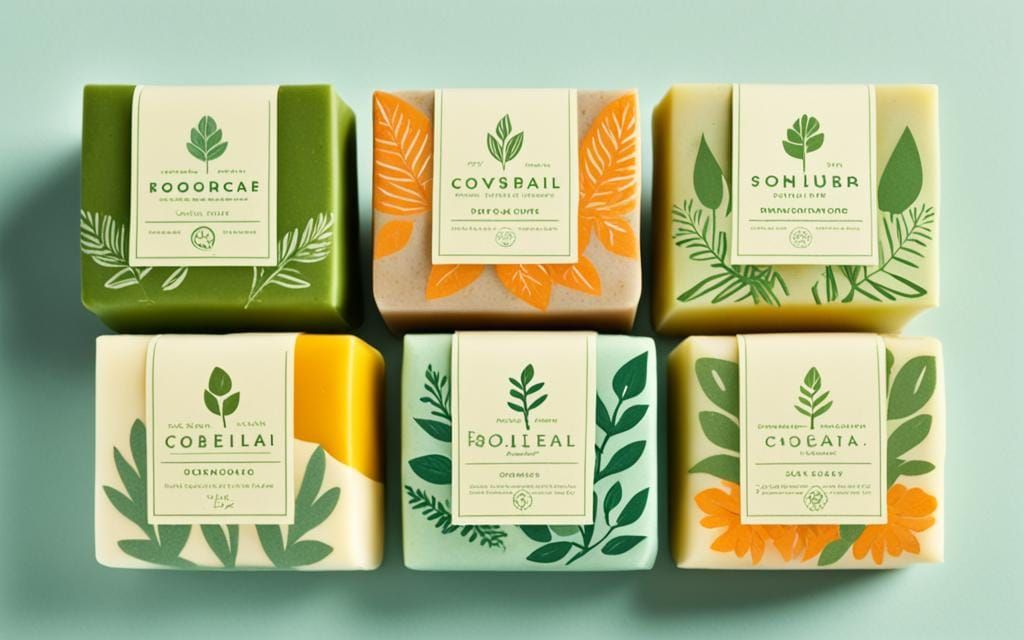
Customers select their soap brands based on their preference for environmentally friendly packaging solutions. The soap quality assessment from customers now includes their evaluation of packaging materials. The use of environmentally friendly packaging materials leads to better customer purchasing decisions and improved brand trust and increased customer return rates.
The practical design of soap sleeve packaging serves both protective and presentation functions. The production of soap sleeves with eco-friendly materials results in products which serve their intended purpose while showing concern for environmental protection. The protective design of these sleeves protects soap surfaces from contamination while providing space for essential information and brand identity reinforcement and environmental protection.
Six eco-friendly soap sleeve packaging solutions present functional waste reduction methods which brands can use to achieve sustainability through design and material selection.
1. Recycled Paper Soap Sleeves
The manufacturing process of recycled paper sleeves converts waste paper products into new packaging materials. The production method helps businesses reduce their requirement for new resources while supporting environmentally friendly sustainable practices.
The sleeve design provides a branding-friendly surface which also safeguards soap bars from harm. The sleeve design includes a textured finish which makes it suitable for brands that want to maintain simple designs.
The market accepts recycled sleeves because they fulfill both operational requirements and environmental standards.
Core benefits of recycled paper sleeves
-
Reduces deforestation
-
Diverts waste from landfill sites
-
Requires less energy in production
-
The system gives users an organized structure which they can apply to their daily work activities
-
Supports responsible brand image
The packaging design reveals brand transparency because it demonstrates sustainability dedication through its combination of environmentally friendly materials and purposeful design elements.
2. Kraft Paper Soap Sleeves
The natural earthy design of Kraft paper sleeves attracts customers who seek authentic and basic packaging solutions. The production process of this paper type uses fewer chemical substances and maintains its organic texture which suits well with handmade and herbal soap products.
The sleeve maintains its shape throughout time while protecting the soap from water damage and physical contact.
Kraft sleeves find their best use in:
-
Natural soap collections
-
Organic product lines
-
Artisan craft soaps
-
Rural and eco-inspired cosmetics
The basic design elements of Kraft sleeves serve to identify products while showing environmental values through simple design without needing elaborate decorations or additional coatings.
Comparison of Paper-Based Eco Materials
| Material Type | Environmental Impact | Visual Style | Strength Level |
|---|---|---|---|
| Recycled Paper | Low | Clean & uniform | Medium |
| Kraft Paper | Very Low | Rustic & natural | High |
| Unbleached Paper | Low | Raw tone | Medium |
| Cardboard Fiber | Controlled impact | Solid finish | High |
3. Seed Paper Soap Sleeves
Seed paper sleeves contain embedded flower or herb seeds which customers can plant after finishing their packaging. The seeds will develop into plants after water exposure which turns waste packaging materials into living plants.
The sleeve design creates a strong emotional reaction in customers because it educates them about environmental conservation. The packaging design enables customers to find new product applications.
Distinct characteristics of seed paper sleeves
-
The packaging allows customers to reuse it
-
The packaging design allows customers to create individual relationships with their products
-
The packaging design enables customers to develop emotional connections with the brand
-
The packaging design functions as a tool which motivates consumers to adopt zero-waste consumption habits
Seed paper sleeves which brands use for their products establish an environmentally friendly customer experience that extends past the point of product delivery.
4. Minimal Ink and Low Coverage Designs
The creation of sustainable packaging requires manufacturers to use the least amount of ink possible. Brands should limit their sleeve content to basic elements which include logos and ingredient details and usage instructions instead of using many graphics.
The method enables paper to stay suitable for recycling because it uses vegetable-based inks while minimizing chemical exposure.
The multiple eco-friendly soap packaging brands use their approaches to achieve two goals which include environmental sustainability and professional branding.
Operational benefits of minimal ink printing
-
The recycling process becomes more efficient
-
The production process generates fewer chemicals
-
The packaging surface shows no signs of dirt or contamination
-
The production process generates reduced waste output
-
The branding appears in all marketing materials with consistent presentation
Brands use minimalist printing methods to share their values through simple designs which stay away from complicated layouts.
5. Unbleached Paper Sleeves
The production of unbleached paper sleeves omits all chemical bleaching processes which produce artificial white colors. The paper material shows its natural brown color which makes it suitable for brands that want to show their commitment to ethical values and sustainable practices.
The market segment which shows the highest interest in organic and chemical-free products consists of customers who want these specific features. The packaging material maintains its strength and texture throughout use while providing users with protection from harm.
Benefits of unbleached paper sleeves
-
The production process omits toxic chemical applications
-
The packaging material displays an authentic natural appearance
-
The disposal process becomes safer for the environment
-
The packaging material sends an environmental message to customers through its design
-
The packaging material serves as a customer attraction tool because it appeals to people who want sustainable products
Premium product lines display their authentic origin through unbleached sleeves which contain minimal graphics.
6. Compostable Coated Paper Sleeves
The compostable coating system provides excellent water protection while completely decomposing into natural components when disposed of correctly. The coating system protects soap from water damage and stops any post-disposal residue or environmental pollutants from forming.
Premium quality brands that want sustainable practices choose this solution for their moisture-sensitive soap products and luxury soap lines such as luxury soap packaging.
Eco-Friendly Sleeve Options and Practical Usage
| Sleeve Type | Breakdown Method | Typical Use Case | Sustainability Rating |
|---|---|---|---|
| Recycled Paper | Recyclable process | Standard soap lines | High |
| Seed Paper | Plantable growth | Gift soaps & premium lines | Very High |
| Kraft Paper | Biodegradable | Handmade soap collections | High |
| Compostable Coated Paper | Natural decomposition | Moisture-sensitive items | Very High |
| Unbleached Paper | Organic breakdown | Herbal & organic soaps | High |
Additional Eco Practices That Complement Soap Sleeves
Businesses can make eco-friendly sleeve options more effective by implementing sustainable operational methods. The methods create permanent conditions which make packaging materials last longer.
Sustainable practices include:
-
The use of minimal plastic inserts
-
The company obtains its raw materials through environmentally friendly supply chain practices
-
The packaging dimensions receive optimization for better efficiency
-
The production process uses energy-efficient methods
-
The production process uses water-based adhesives instead of traditional adhesive materials
Sustainable sleeves reach their highest potential through business methods which deliver complete brand value expression.
How Eco-Friendly Sleeves Influence Customer Behavior
The contemporary consumer bases their brand assessments on environmental sustainability above all else. Businesses that adopt ethical packaging standards develop customer trust through their operations.
Customers link sustainable packaging to:
-
High product quality
-
Transparent brand values
-
Ethical manufacturing
-
Responsible sourcing
-
Long-term trust
Organizations that adopt eco-friendly strategies achieve better customer retention and higher customer loyalty levels.
Branding Benefits Within Sustainable Sleeve Design
Eco sleeves enable businesses to preserve their brand identity through intentional design choices and purposeful narrative development.
These packaging solutions:
-
Create visual differentiation
-
Strengthen perception of care
-
Elevate unboxing experience
-
Support emotional brand interaction
The design elements of sleeves present brand values through purposeful design decisions which customers understand through visual and emotional connections.
Operational and Marketing Advantages
Businesses achieve various operational advantages through their implementation of eco-friendly soap sleeves.
-
The production process generates lower amounts of waste products
-
The packaging design creates positive brand perceptions which customers experience
-
The packaging meets all requirements which international sustainability standards demand
-
The packaging system minimizes its impact on the environment
-
The brand achieves higher market credibility through sustainable packaging investments
Brands that implement sustainable packaging solutions build market trust while meeting customer demands for environmentally friendly products.
Long-Term Value of Sustainable Packaging Decisions
Brands that choose eco-friendly soap sleeve materials will stay competitive in the market because customers decide what to buy based on sustainability features. These sustainable choices enable brands to establish themselves as responsible companies while protecting the environment.
Businesses can develop sustainable packaging solutions through environmentally friendly materials which break down naturally while building customer connections and defending the environment.
